
What Is A Smart Lighting System?
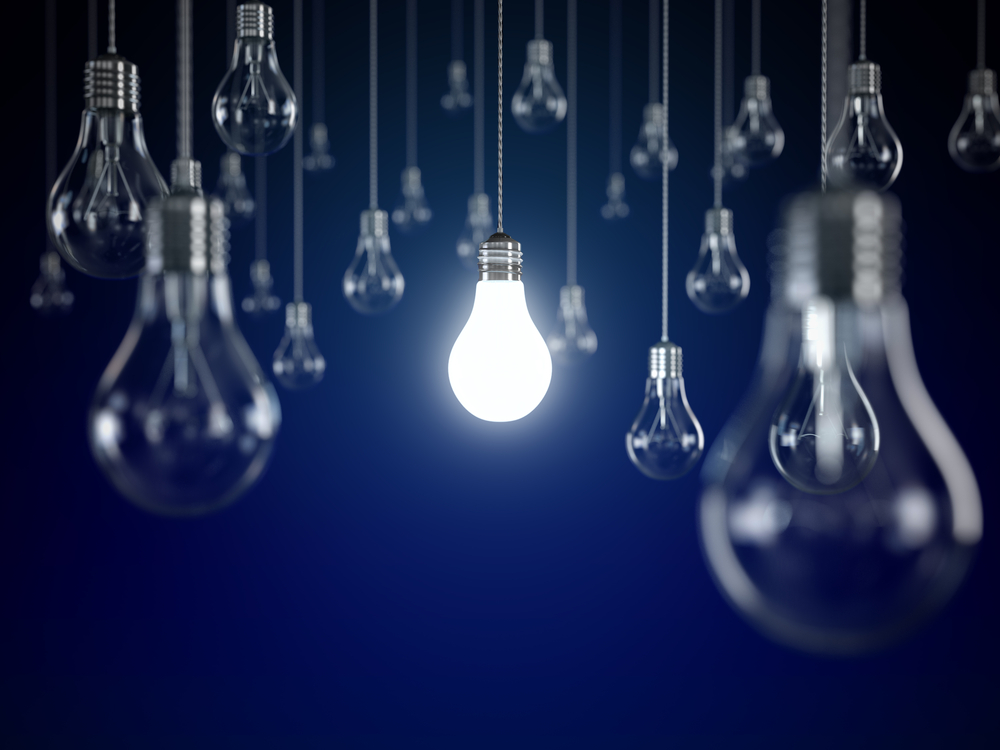
So many products are getting an environmental impact upgrade and smart lighting systems are now one of them. One way to keep your energy bills down and cut your carbon footprint could be in the way you light your home. In order to break down its other benefits, let’s first define, what is a smart lighting system?
A smart light is an advanced automated technology that uses a smart bulb, or other lighting systems such as plugs and switches for light sensoring. A smart lighting system is how you connect your home with your lighting. Whether you are connecting your side lamp with a smart plug, light fixtures with a smart bulb or your smart switches to fill a room, they all work with automated technology to use less energy and are controlled by infra-red or WiFi.
You can use your smart LED bulb with connected devices such as an application on your smartphone, Amazon Alexa, Sky Home and Google Assistant. We now know what is a smart lighting system, but the smart light bulb itself is a combination of LED (Light-emitting diode)and CFL (compact fluorescent)lights. The innovation in lighting by using these materials in leads to lower energy consumption and longer laster light bulbs. Although the environmental impact alone is a good enough reason to switch to a smart lighting system, the list of benefits doesn’t stop there.
The decrease in energy consumption is also the result of the updated amount of controls the smart lighting provides. Automated controls allow for you to create triggers for when you leave the house to turn off the lights, timers for when you are going to bed, and some even allowing for you to control the switches when you’re not in the house. Automated controls not only can help with functionality, but also boost mood. Automations like dimming your lights or even customizing the color of light based on your mood or time of day are some of the design possibilities with smart lighting. Several studies have indicated that color therapy or chromotherapy can increase mood and impact your circadian rhythm. With the LED bulb options of cooling and warming tones or the possibilities of lighting a room with blues to pinks, your lighting has so power to change the environment of a room than ever before.
An LED bulb is estimated to have a life span of over 50,0000 hours while an incandescent light bulb has a life span of around 2,000 hours. This list of benefits can prove what an important innovation smart lighting has the power to become. Connecting your home to technology isn’t just for the functionality or design choices, but for the environmental impact, you can have too. By defining what is a smart lighting system, and breaking down the benefits, we hope you understand the significant change you can create by making this switch from incandescent to smart lighting.


Leave a Reply
Want to join the discussion?Feel free to contribute!